Taking the Practical Exam
The practical exam is the most exciting moment of your driving education. You show a CBR examiner that you can drive independently and safely in traffic.
How does the practical exam go?
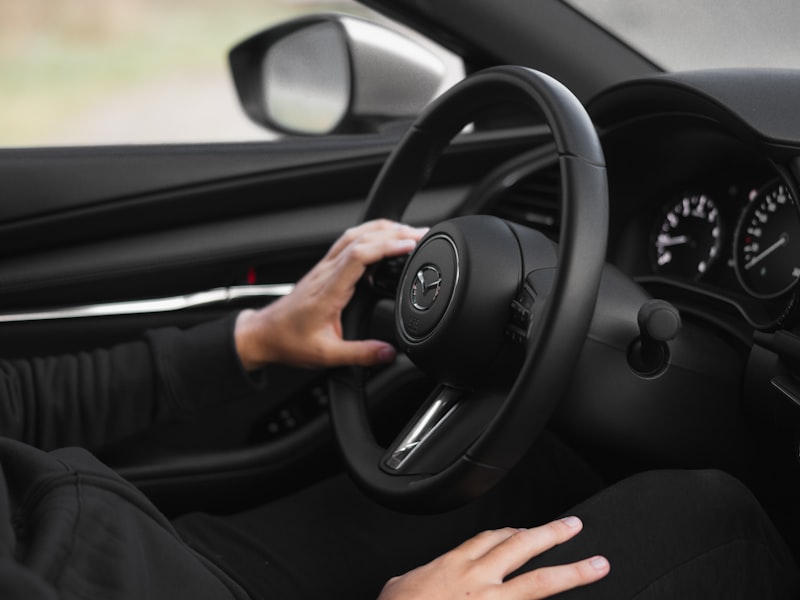
The practical exam takes approximately 55 minutes in total, of which about 35 minutes is actual driving. The exam begins with an eye test and a check of your identity document. Then the examiner introduces themselves and briefly explains how the exam will proceed. After that, you get in the car and start driving. The examiner gives you directions about which route to follow. Part of the ride you drive independently following road signs and directional signs, without direct instructions. During the drive, the examiner assesses you on various points: your driving skills, traffic insight, driving behavior and how you interact with other road users. The examiner watches whether you drive safely and smoothly, whether you check your mirrors properly, whether you correctly yield right of way and whether you follow traffic rules. In addition to regular driving, you must also perform one or two special maneuvers. At the end of the ride, you receive your result immediately. The examiner discusses with you what went well and any areas for improvement. This conversation is valuable, even if you pass, because it helps you become an even better driver.
View the exam routes in your region for targeted preparation.
The special maneuvers
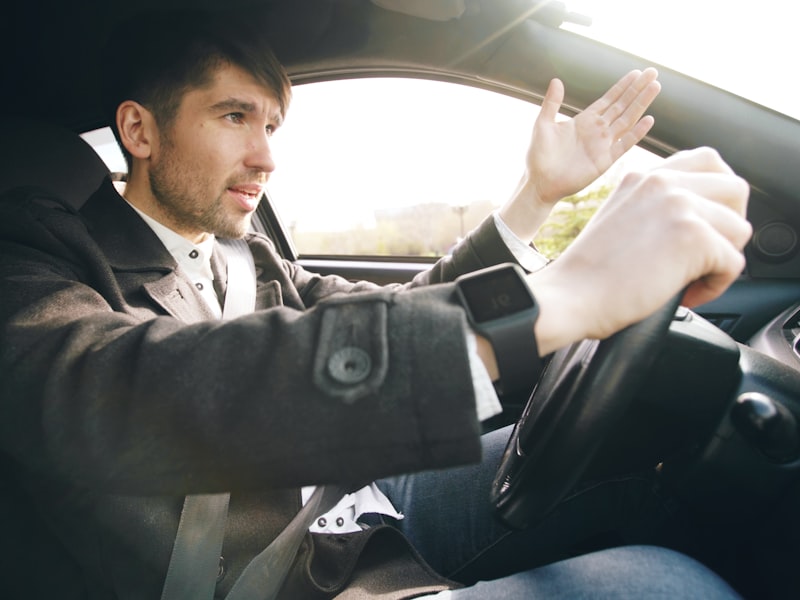
During the practical exam, you must perform one or two special maneuvers. These are maneuvers that show you can control your vehicle well, even in difficult situations. The maneuvers you may be asked to do are: parallel parking (reversing into a space between two cars), curbside parking (reversing along the curb), turning in a limited space (turning on the road), reversing over a longer distance, the emergency stop and the hill start (pulling away on a slope). The examiner chooses which maneuvers you must perform. You don't know in advance which ones it will be, so it's important that you master all of them. During the special maneuvers, attention is paid to your vehicle control, your use of mirrors and blind spot, your speed and your accuracy. It's normal to be somewhat nervous about these, but remember that the examiner understands you're a learner. A small correction is usually no problem, as long as you act safely. Practice these maneuvers regularly during your driving lessons, so you can perform them with confidence on exam day.
Tips from examiners
Examiners see candidates every day and know exactly where things often go wrong. Their most important tip is: stay calm. Nervousness is the biggest enemy during the practical exam. Take a few deep breaths before you start the car and try to see the exam as a regular driving lesson. A frequently heard tip is to look very obviously in your mirrors. Examiners need to be able to see that you're looking, so move your head noticeably when checking the interior and exterior mirrors and the blind spot. Communicate with the examiner if you didn't hear or understand something properly. It's better to have an instruction repeated than to take the wrong turn. Don't drive too slowly. Many candidates think driving slowly is safer, but the opposite is true: driving too slowly disrupts traffic flow and can create dangerous situations. Drive with the traffic and maintain the applicable speed limit. Be decisive when merging, overtaking and yielding right of way. Hesitant behavior leads to unsafe situations. And finally: don't worry if you make a small mistake. Everyone makes mistakes, and a single error doesn't automatically mean you fail. The examiner looks at the overall picture of your driving ability.
After the exam
Once the practical exam is over, you immediately hear whether you passed or failed. This is an exciting moment, but try to wait calmly for the result. If you passed, congratulations! You receive a driving competence declaration that is automatically registered with the RDW. With this declaration, you can pick up your driver's license at the city hall of your municipality. Bring a valid identity document and a recent passport photo. The cost of applying for your driver's license varies per municipality but is usually around 40 euros. Your driver's license is usually ready within five business days after application, although some municipalities also offer an express service. If you unfortunately failed, that's disappointing but certainly not a disaster. The examiner discusses with you why you didn't pass and provides specific areas for improvement. Discuss this feedback with your driving instructor and work specifically on the points that need improvement. You can schedule a new exam as soon as you feel ready. There is no mandatory waiting period, but do take enough lessons to improve your weak points. Most candidates who fail pass on their second attempt with targeted extra practice.