Observation Skills
Good observation is the most important skill in traffic. In phase 2 of your driving education, you learn to systematically look around you, so you recognize hazards in time.
Why observation technique is so important
Research shows that the vast majority of all traffic accidents are caused by inattention or incorrect observation behavior. Those who don't look properly miss crucial information: a cyclist coming from the right, a pedestrian crossing, or a car braking suddenly. Observation technique goes much further than just "looking ahead." It means consciously and systematically gathering all information around you. In phase 2, you learn not only where to look, but also when and for how long. A common problem with beginning drivers is tunnel vision: you stare at the point straight ahead and miss what's happening to the left, right and behind you. The blind spot — the area next to and diagonally behind your car that is not visible in the mirrors — is one of the most dangerous places. Many accidents with cyclists and scooters happen because drivers don't check the blind spot when turning or changing lanes. By learning good observation techniques and applying them consistently, you significantly reduce the chance of an accident. Moreover, the examiner pays very close attention to your observation behavior during the practical exam. Insufficient looking is one of the most common reasons for failing.
Mirrors and blind spot
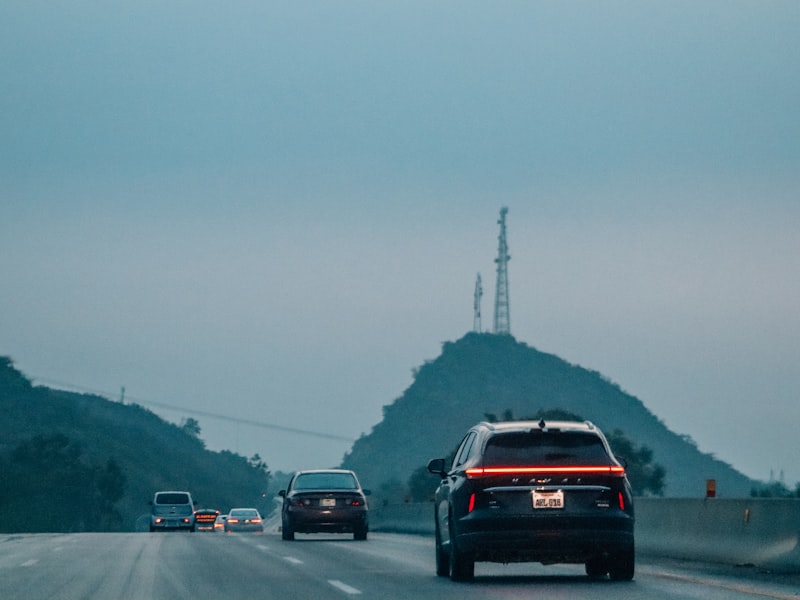
Your car has three mirrors: the interior mirror and two exterior mirrors. Each mirror has its own function and you use them at different moments. The interior mirror gives you an overview of the traffic behind you. You look in it before braking, when changing speed, or when approaching an intersection. The left exterior mirror is used when turning left, overtaking and changing lanes to the left. The right exterior mirror is checked when turning right, merging and when driving alongside parked cars. But mirrors have their limitations. There is always an area that you cannot see via the mirrors: the blind spot. That's why in your driving education you learn to look over your shoulder before making a steering movement. This shoulder check is mandatory when pulling away, turning, changing lanes, merging and exiting. The examiner pays particularly close attention to this. A good habit is to maintain the fixed sequence: interior mirror, exterior mirror, blind spot, indicate, and only then steer. This systematic approach ensures you don't overlook anything and gives you the confidence to maneuver safely in busy traffic.
Scanning in traffic
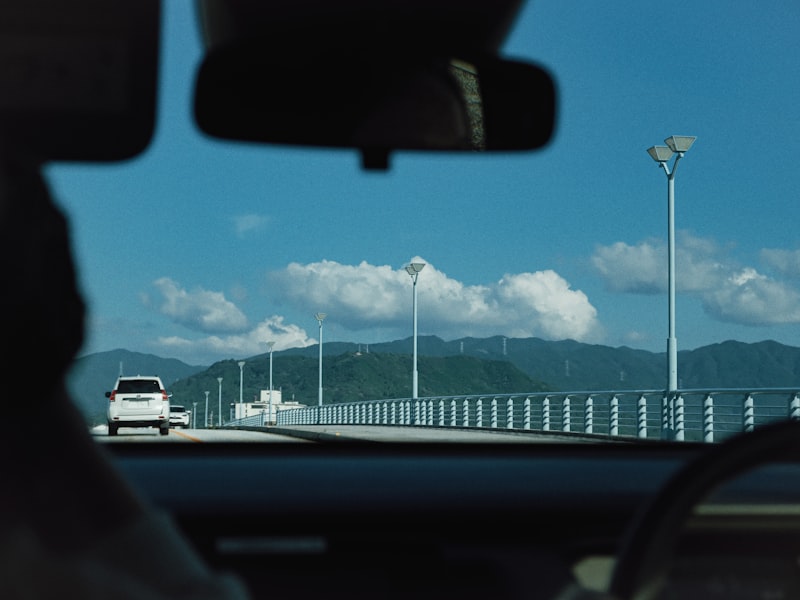
Experienced drivers constantly scan their surroundings without consciously thinking about it. As a beginning driver, you need to actively practice this until it becomes automatic. A commonly used guideline is the 12-second rule: look far enough ahead that you can already assess the situation about 12 seconds of driving ahead. On a road where you're driving 50 kilometers per hour, this means you look approximately 160 meters ahead. By looking far ahead, you have more time to react to changes in traffic. You see earlier that a traffic light turns amber, that traffic ahead is slowing down, or that there's road construction. But looking far ahead isn't enough. You must also regularly shift your gaze to closer to your car: the curb, the bike path next to you, the crossing road. We call this "scanning": your eyes constantly move back and forth between far and near, left and right. A common mistake is focusing too long on a single point. If you stare at the same spot for three seconds, you may miss something important in your peripheral vision. Therefore, practice consciously shifting your gaze every two to three seconds. On busy roads, at intersections and in residential areas where children may be playing, you increase your scanning frequency. The more information your eyes pick up, the better your brain can assess the traffic situation.
Looking in special situations
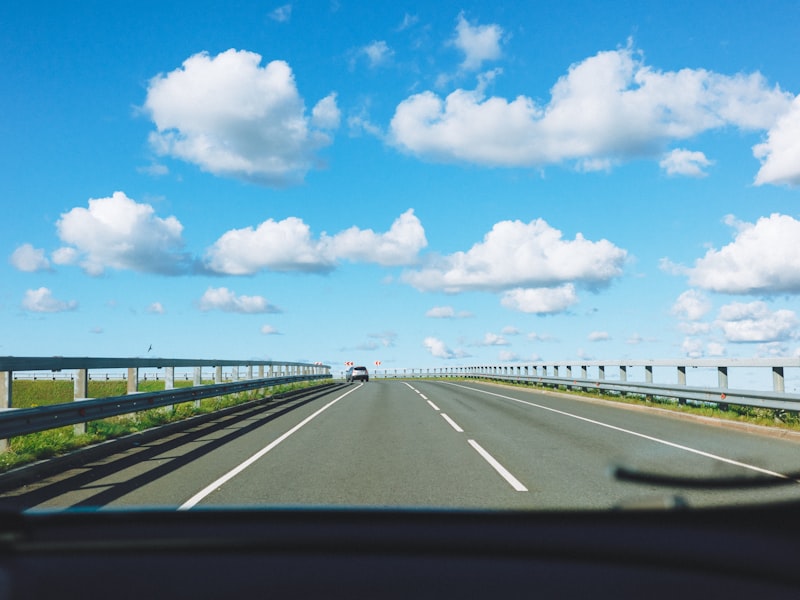
Some traffic situations require extra attention and an adapted observation technique. At roundabouts, it's important to look carefully at the traffic already on the roundabout as you approach. Also look to the left to see if traffic is coming from other entry lanes. Indicate when leaving the roundabout and check your right exterior mirror and blind spot, because a cyclist may be riding next to you. When merging onto a highway, you use the left exterior mirror and the blind spot to find a suitable gap in traffic. Look ahead from a distance so you can adjust your speed. When exiting the highway, check the right exterior mirror and adjust your speed in time. Right-of-way situations require looking consciously in all directions. At an uncontrolled intersection, first look to the right, because that's where traffic with right of way comes from. But also check left and straight ahead. At traffic lights, don't just look at the light itself, but also at crossing traffic: not everyone always stops at red. Passing parked cars is another situation that requires extra observation. Look whether someone is sitting in the car who could open a door, look whether children could be standing between the cars, and account for oncoming traffic. By using a fixed observation routine for each special situation, you prevent overlooking anything.